Which type of laxative works fastest?
Laxative is one word covering four quite different medicines, and the one you need depends almost entirely on how quickly you need it to work.
- Rectal — suppositories and enemas: act directly on the lower bowel and usually work in 5 to 30 minutes. For urgent, uncomfortable constipation.
- Stimulant — tablets and liquids: encourage the bowel muscle to move, usually within 6 to 12 hours. Taken at bedtime for relief by morning.
- Osmotic — sachets and solutions: draw water into the stool to soften it, over one to three days. Gentler when straining is painful.
- Bulk-forming fibre: adds bulk and moisture like dietary fibre, over two to three days. The only group suitable for ongoing daily use.
Age matters as much as speed. The minimum age differs from product to product across this range — from 6 months for one, adults only for another — and it does not follow the speed groups. The age is given against every product below, but always check the pack and the patient information leaflet, because these can change.
Relief within minutes — suppositories and enemas
Rectal treatments act directly on the lower bowel, which is why they work far faster than anything taken by mouth. They are the right choice when you are uncomfortable now, or when the stool is already low down and simply will not pass.
- Microlax Rectal Solution (sodium citrate 450mg and sodium lauryl sulphoacetate 45mg per 5ml) — a small, ready-to-use micro-enema. Typically works within 5 to 15 minutes. From 3 years. For a younger child, please ask our pharmacy team first.
- Glycerol 4g Suppositories — a gentle, long-established option that softens and lubricates. Usually works within 15 to 30 minutes. The 4g strength is for adults. Smaller strengths may be available for children and infants — ask our pharmacy team.
- Dulcolax 10mg Bisacodyl Suppositories (bisacodyl 10mg) — stimulant action delivered rectally, so it acts in minutes rather than hours. From 10 years, one suppository a day at most.
- Cleenema Phosphate Enema — a larger-volume enema for more stubborn constipation, or where a bowel clear-out has been advised. From 12 years. Children over 3 and under 12 only as directed by a doctor.
Overnight relief — stimulant laxatives
Stimulant laxatives encourage the muscle of the bowel wall to contract and move things along. They are usually taken at bedtime so that they work by morning, which is why most people find them the most convenient option for occasional constipation.
- Dulcolax Tablets (bisacodyl 5mg) — the most widely used stimulant laxative in Ireland. Take at night; expect relief 6 to 12 hours later. From 10 years.
- Senokot Tablets (sennosides 7.5mg) — a plant-derived senna stimulant with a similar overnight profile. From 12 years; not for children under 12.
- Senokot Syrup — the same active in liquid form, useful if tablets are difficult to swallow. From 12 years; under 12 only under a doctor's supervision.
- Dulcolax Pico Liquid (sodium picosulfate 5mg per 5ml) — a liquid stimulant, with dosing that can be adjusted drop by drop. From 10 years.
- Califig Syrup of Figs with Fibre — a traditional, gentler preparation that some people prefer for milder constipation. From 3 years, at a reduced dose for children aged 3 to 14.
Stimulant laxatives are intended for short-term use. If you find yourself needing one for more than a week, speak to a pharmacist rather than continuing.
Gentler relief over one to three days — osmotic laxatives
Osmotic laxatives draw water into the bowel so that the stool becomes softer and easier to pass. They do not force the bowel to contract, which makes them a gentler option — particularly if passing hard stools has become painful, or if you have haemorrhoids or an anal fissure.
- DulcoEase Hydrate Oral Solution 250ml (macrogol 4000) — a ready-mixed solution, straightforward to take without measuring or mixing. From 6 months, with separate doses for children aged 6 months to 1 year, 2 to 3 years, 4 to 7 years, and 8 years and over. This is the widest age range on the page.
- DulcoEase Hydrate 20 Sachets (macrogol 4000) — the same approach in sachet form, which is easier to carry and to dose day by day. From 8 years. For younger children, the oral solution above is the one to use.
- Lactulose Fresenius 500ml (lactulose 670mg per ml) — a long-established osmotic laxative, widely used and suitable for longer courses under advice. Standard dosing from 7 years, at a reduced dose between 7 and 14. Lactulose should not normally be given to infants and smaller children, so under 7 only on a doctor's advice and with their supervision.
Staying regular — bulk-forming fibre
Bulk-forming laxatives work in much the same way as the fibre in food: they absorb water, add bulk, and make stools softer and easier to pass. They are the only group suitable for ongoing daily use, and they are usually the right answer if constipation keeps coming back. They take two to three days to take effect, so they are for prevention rather than urgent relief. Drink plenty of water alongside them.
- Fybogel Orange Sachets (ispaghula husk 3.5g per sachet) — the standard bulk-forming option, taken once or twice daily in water. From 6 years, at a reduced dose between 6 and 12. Not recommended under 6.
- Fybogel Fibre Chews 60 Tablets and the 30 tablet pack (Fibersol-2 soluble fibre, 1g per tablet) — a chewable alternative with no drink to mix, which many people find easier to keep up. From 12 years.
- FyboCalm Constipation Relief Capsules — a plant-based capsule of xyloglucan, pea protein and chia seed, for daily digestive regularity. Adults 18 and over only.
Which should I choose?
- Uncomfortable right now — a suppository or micro-enema will act fastest.
- Want relief by morning — a stimulant tablet taken at bedtime.
- Stools are hard and painful to pass — an osmotic laxative is gentler than a stimulant.
- It keeps happening — a bulk-forming fibre daily, alongside more water and dietary fibre.
- Pregnant, breastfeeding, or treating a child — ask a pharmacist before buying. Not all of the above are suitable.
Treating a child? Several products here do have children's doses — DulcoEase Hydrate Oral Solution from 6 months, Microlax and Califig from 3 years, Fybogel Orange Sachets from 6 years — while others start at 10, 12 or 18 years. The dose is usually smaller rather than simply half, and some cannot be sold over the counter for younger children at all, so check the age against the product before you buy and ask our pharmacy team if you are unsure. Please do not give an adult dose to a child on the assumption that less of it is safe.
When to speak to a pharmacist or your GP
Constipation is usually short-lived and harmless, but some symptoms need proper assessment rather than a laxative. Please seek advice if you have:
- Blood in your stool, or black or tarry stools
- Unexplained weight loss
- Persistent abdominal pain, or vomiting
- A sudden and lasting change in your normal bowel habit, particularly if you are over 50
- Constipation lasting longer than two weeks despite treatment
- Constipation that began shortly after starting a new medicine
Our pharmacists are available to advise on any product in this range, including whether it is suitable alongside your other medicines.
Frequently Asked Questions
How quickly do laxatives work?
It depends entirely on the type. Suppositories and enemas usually work within 5 to 30 minutes. Stimulant tablets such as Dulcolax or Senokot take 6 to 12 hours, which is why they are taken at night. Osmotic laxatives take one to three days, and bulk-forming fibre takes two to three days and is meant for ongoing use.
Which laxative is gentlest?
Bulk-forming fibre such as Fybogel is the gentlest and the only type suitable for daily, longer-term use. Osmotic laxatives are next gentlest. Stimulants are effective but are intended for short-term use only.
Can I take a laxative every day?
Bulk-forming fibre laxatives can be taken daily on an ongoing basis. Stimulant laxatives should not be — if you need one for more than about a week, speak to a pharmacist, because persistent constipation is worth investigating rather than simply treating.
What is the difference between a stimulant and an osmotic laxative?
A stimulant prompts the bowel muscle to contract and push the stool along. An osmotic draws water into the bowel so the stool itself becomes softer. If straining is the problem, an osmotic usually suits better; if the bowel simply is not moving, a stimulant is more direct.
What age can children take a laxative from?
It varies by product and there is no single answer. In this range DulcoEase Hydrate Oral Solution can be used from 6 months, Microlax and Califig from 3 years, Fybogel Orange Sachets from 6 years, Lactulose from 7 years, DulcoEase Hydrate Sachets from 8 years, Dulcolax Tablets, Suppositories and Pico from 10 years, Senokot, Cleenema and Fybogel Fibre Chews from 12 years, and FyboCalm and the 4g glycerol suppositories are for adults. Each product above states its own age, but check the pack before giving anything to a child, and speak to our pharmacy team if you are unsure.
Are laxatives safe in pregnancy?
Some are and some are not, and it depends on the stage of pregnancy. Bulk-forming fibre is generally considered the first option, but please speak to a pharmacist or your GP before taking anything.
What can I do besides taking a laxative?
Increasing water intake, eating more fibre, and regular gentle movement all help, and they reduce the likelihood of constipation returning. A laxative treats the episode; these habits reduce how often it happens.
Can medicines cause constipation?
Yes — opioid painkillers, iron supplements, some antidepressants and certain blood pressure medicines are common causes. If your constipation started after a new medicine, bring the details to a pharmacist rather than simply adding a laxative.
Written and reviewed by Paul O'Hea MPSI, Superintendent Pharmacist, Inish Pharmacy. PSI registration number 8772. Last reviewed 15/09/26. This information is general guidance and does not replace advice from your healthcare professional who may have more information on your individual considerations. Always read the patient information leaflet supplied with your medicine.


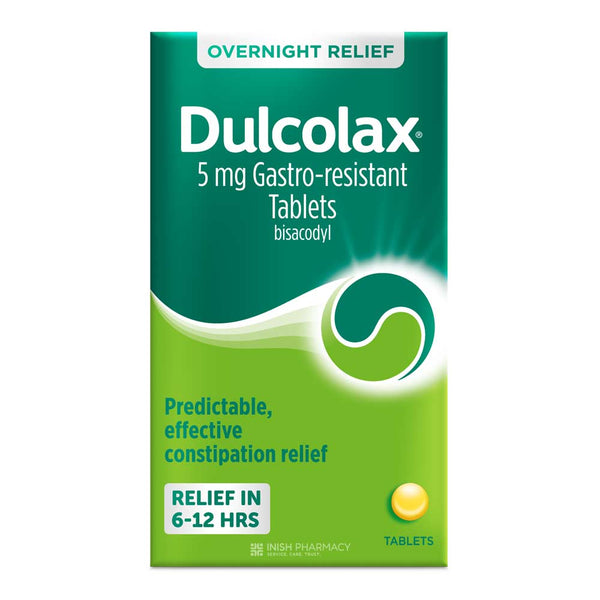 Dulcolax Tablets €4.99 Add to cart
 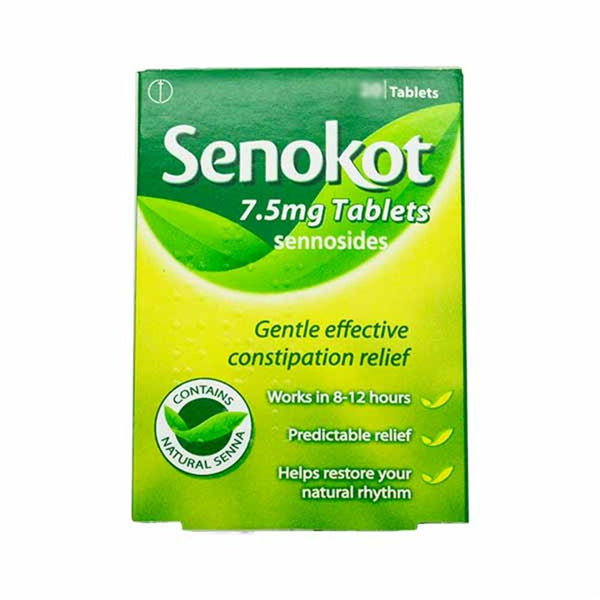 Senokot Sennosides 7.5mg Tablets €7.99 Add to cart
 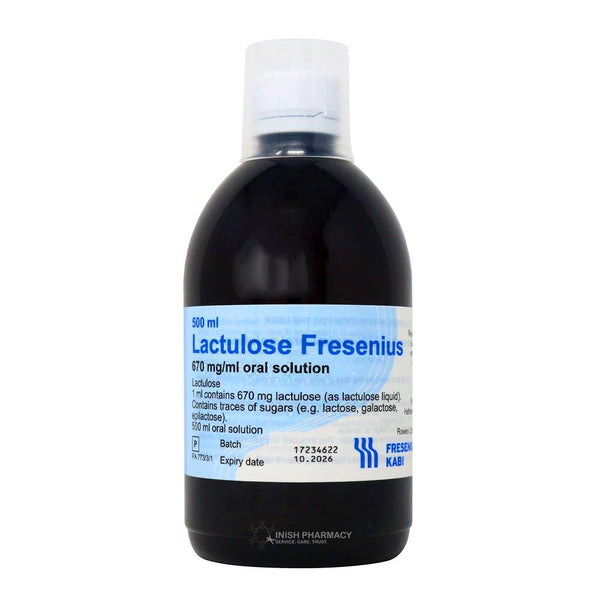 Lactulose Fresenius 500ml €6.99
 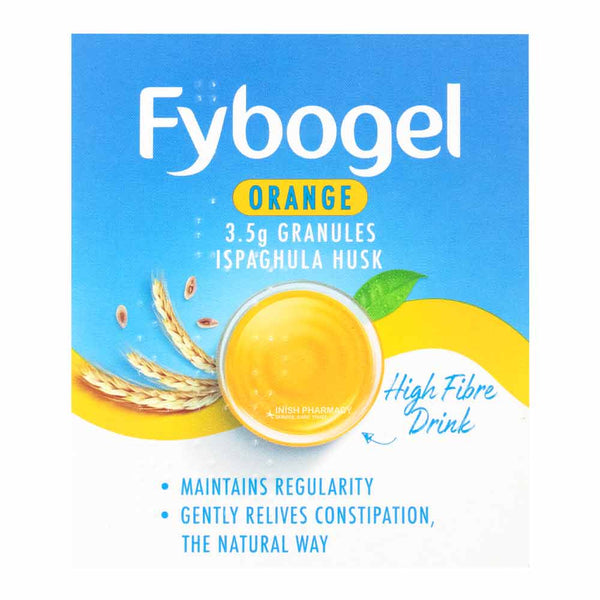 Fybogel Orange Sachets €5.99 Add to cart
 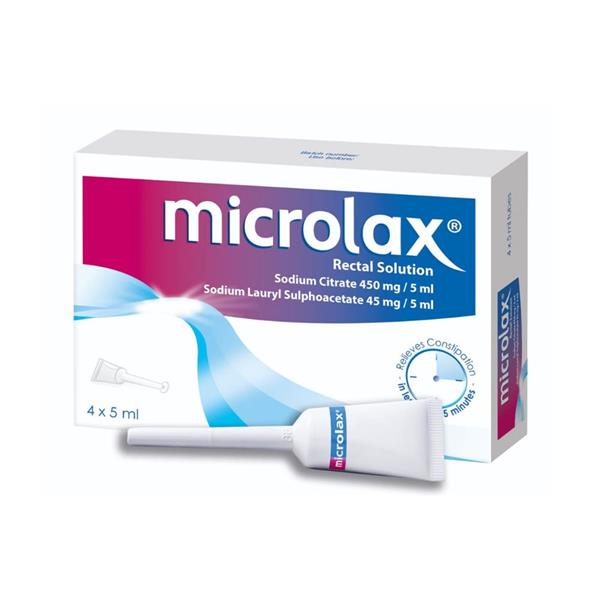 Microlax Rectal Solution For Constipation 4 Pack €5.99
 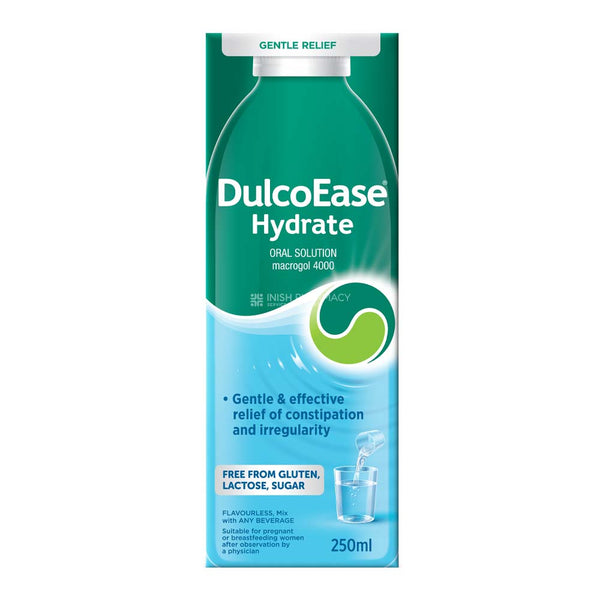 DulcoEase Hydrate Oral Solution 250ml €10.99
 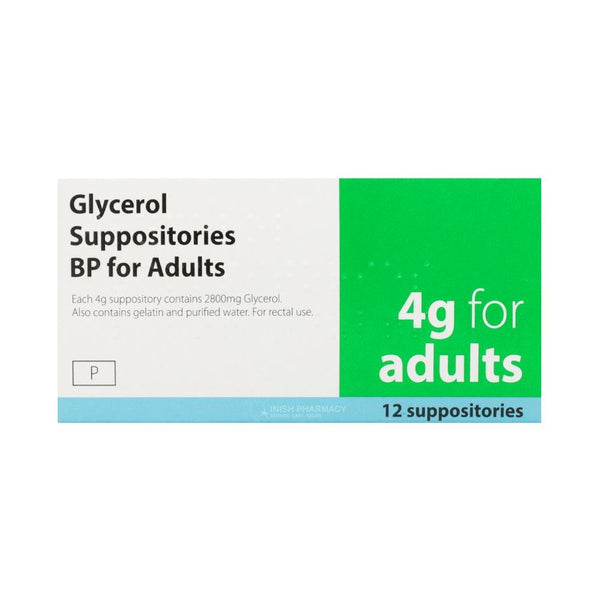 Glycerol 4g Suppositories For Adults 12 Pack €6.60
 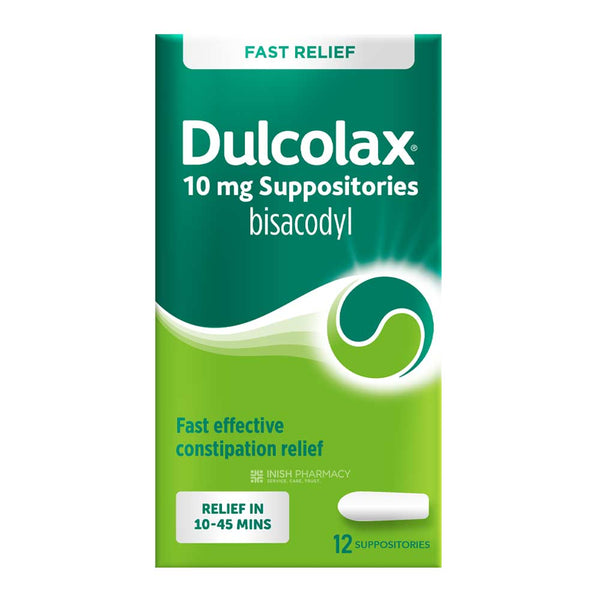 Dulcolax 10mg Bisacodyl Suppositories 12 Pack €7.50
 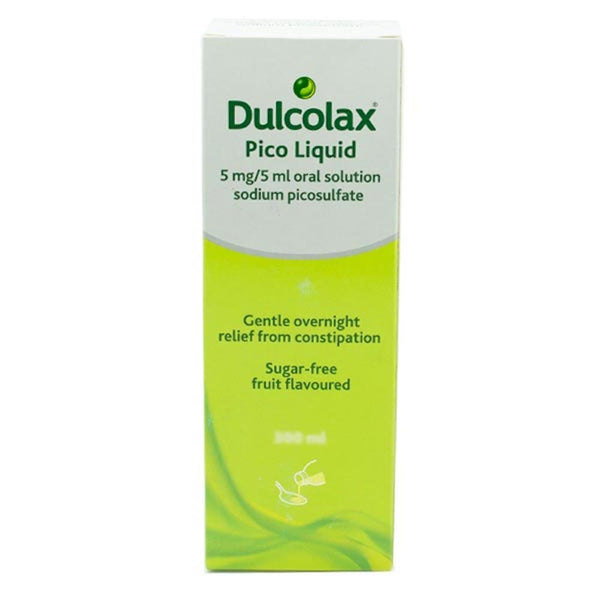 Dulcolax Pico Liquid €14.50 Add to cart
  Fybogel Fibre Chews Citrus Flavour 60 Tablets €15.99
 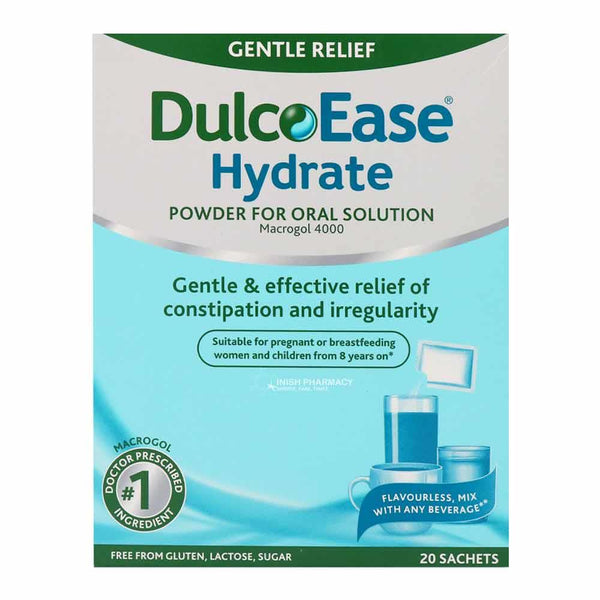 DulcoEase Hydrate for Constipation 20 Sachets €13.50
 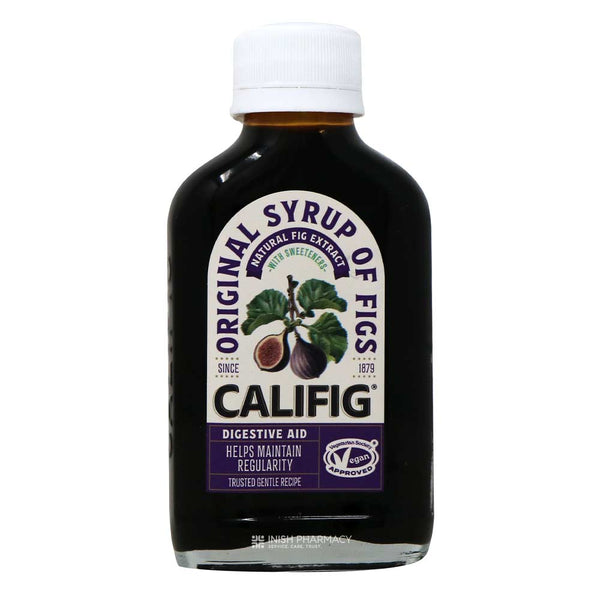 Califig Original Syrup of Figs with Fibre 100ml €8.99
 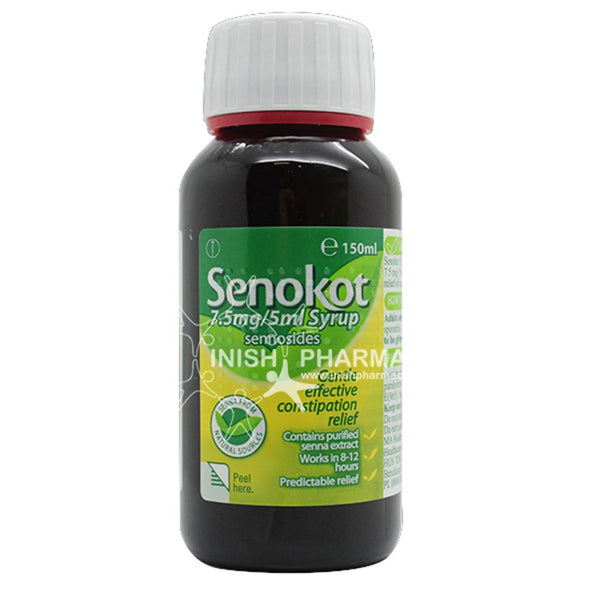 Senokot 7.5mg Syrup 150ml €8.99
 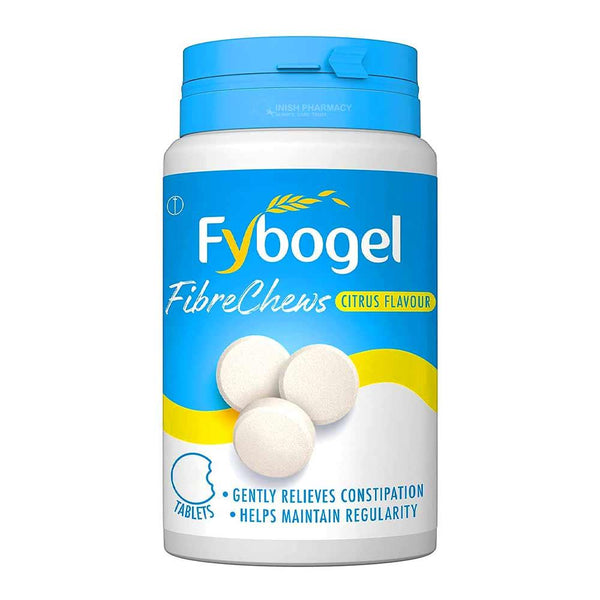 Fybogel Fibre Chews Citrus Flavour 30 Tablets €10.99
 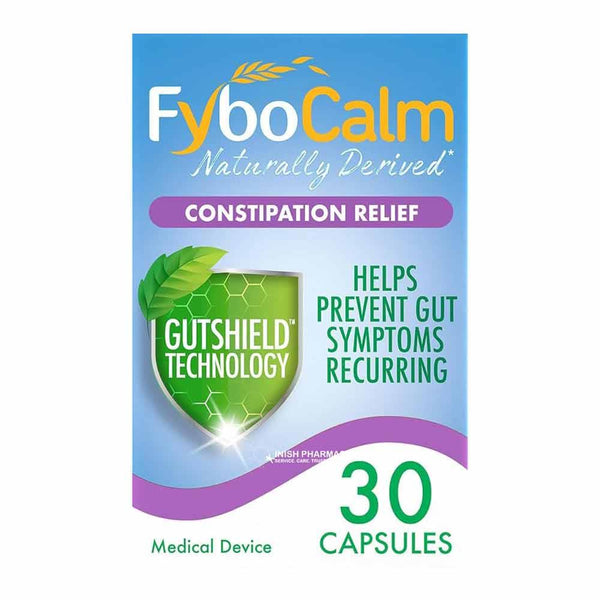 FyboCalm Constipation Relief 30 Capsules €15.99
 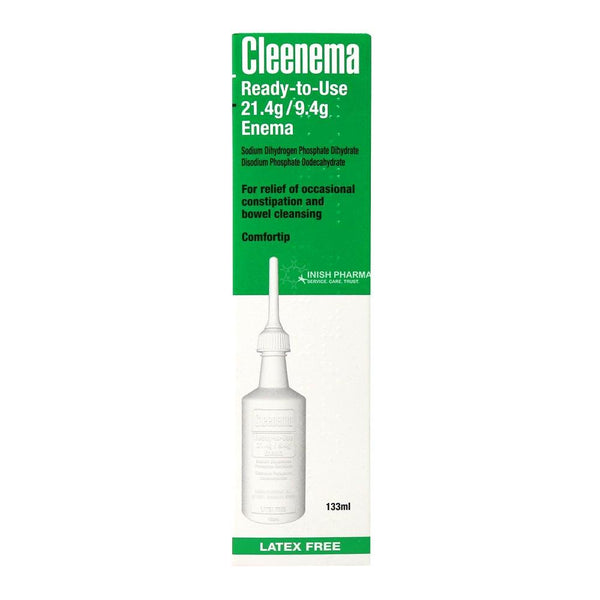 Cleenema Phosphate Enema For Constipation Or Bowel Cleansing €7.65
 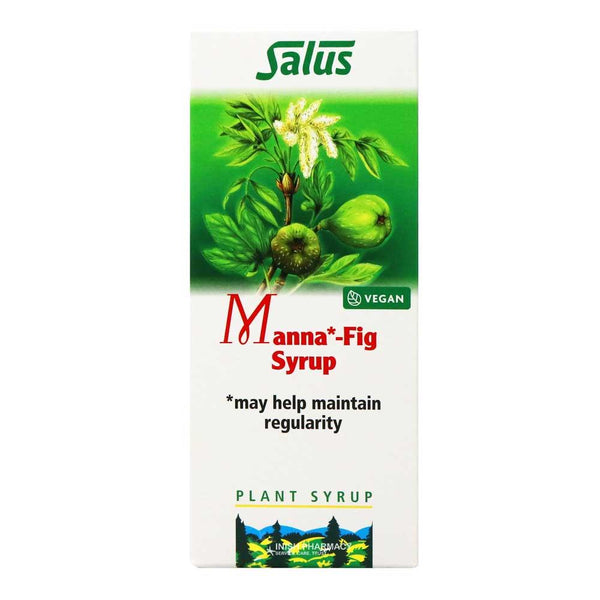 Salus Manna Syrup of Figs 200ml €10.95
 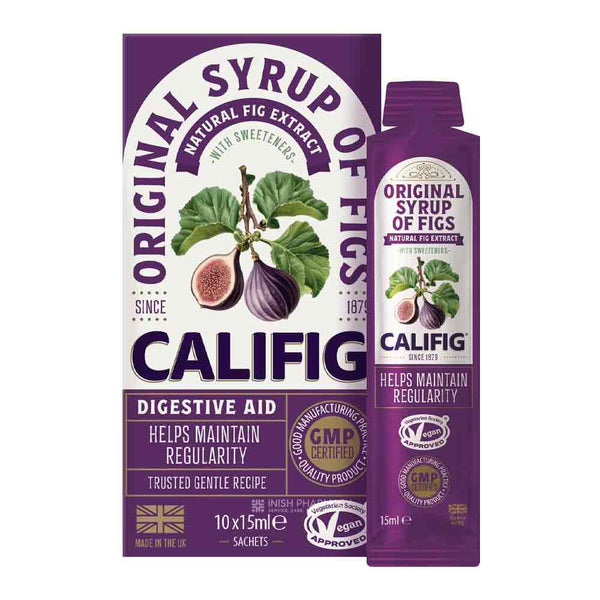 Califig Original Syrup of Figs On The Go Sachets 10x15ml €12.50


 On Sale


