A good daily routine
The HSE recommends brushing twice a day, including last thing at night, for two minutes each time with a fluoride toothpaste. Clean between your teeth every day with floss, or with interdental brushes if you find floss hard to use, and see your dentist regularly.
Choosing a toothbrush
A manual or an electric toothbrush can both clean your teeth well if you brush properly for the full two minutes. An electric toothbrush does more of the work for you, and most have a built-in two-minute timer. That can help if you find brushing awkward or tend to rush. Choose a soft or medium brush with a small head, and change your brush or brush head about every three months, or sooner if the bristles splay. We stock replacement heads for Oral-B and Spotlight brushes.
Choosing a toothpaste
For most people, a regular fluoride toothpaste is the right everyday choice. There are also options for particular needs:
- Sensitive teeth: sensitivity toothpastes such as Sensodyne.
- Gum care: gum-care toothpastes such as Corsodyl.
- Whitening: whitening toothpastes help lift surface stains.
- Flavour-free: unflavoured pastes such as Oranurse, for anyone who dislikes mint.
Cleaning between your teeth and mouthwash
Floss, interdental brushes and water flossers reach where a toothbrush can't. TePe interdental brushes come in colour-coded sizes, and Oral-B Superfloss is designed for braces and bridges. A mouthwash such as Listerine or Corsodyl can freshen breath, but it doesn't replace brushing and flossing.
Children's teeth
HSE advice by age:
- Before teeth appear: wipe your baby's gums twice a day with a clean, soft cloth.
- From the first tooth: brush gently twice a day with a small, soft toothbrush.
- From age 2: use a pea-sized amount of regular family fluoride toothpaste, and help your child brush. The HSE notes that low-fluoride children's toothpastes don't give as much protection.
Browse kids' toothbrushes and toothpaste.
Dentures and retainers
Our denture care range covers adhesives such as Fixodent, cleaning tablets such as Steradent, and Retainer Brite tablets for retainers and aligners.
Frequently asked questions
Is an electric toothbrush better than a manual one?
Both can clean your teeth thoroughly if you brush properly for two minutes. An electric brush makes good technique easier, and the timer helps you brush for long enough.
How often should I change my toothbrush?
About every three months, or sooner if the bristles are worn or splayed. The same applies to electric brush heads.
When can my child start using fluoride toothpaste?
The HSE advises starting at age 2, with a pea-sized amount of regular family fluoride toothpaste. For younger children, follow the age guidance on the pack, or ask your dentist.
Do I need to use mouthwash?
It's optional. Mouthwash can freshen your breath, but only brushing and cleaning between your teeth remove plaque.
Is teeth whitening safe?
Over-the-counter whitening products are regulated as cosmetics. Some use peroxide, which is restricted to controlled levels, and others use alternatives such as PAP, either alone or alongside peroxide. Follow the pack directions, and stop using them if your teeth or gums become sensitive. Whitening doesn't change the colour of fillings or crowns. Talk to your dentist first if you have dental work, gum problems or sensitive teeth.
When should I see a dentist?
See your dentist about:
- toothache
- gums that bleed for more than a few days
- sensitivity that doesn't settle
- a loose tooth
Swelling of the face or jaw, especially with a fever, needs urgent attention. For gum, ulcer and dry mouth products, see Mouth & Oral Care.


 Colgate Triple Action Original Mint Toothpaste 100ml €2.50
 Oranurse Unflavoured Toothpaste Original 50ml €6.99
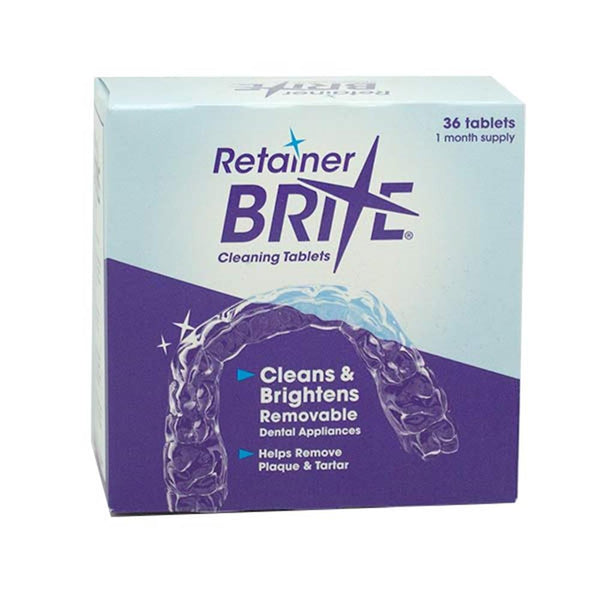 Retainer Brite Cleaning Tablets 36 pack €12.99
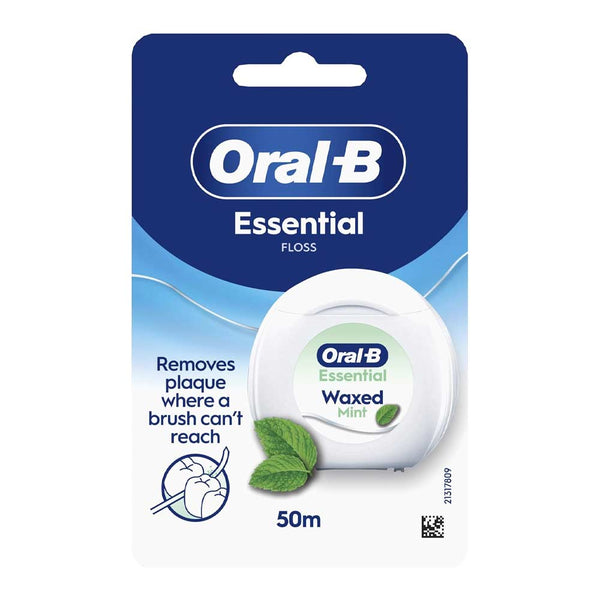 Oral B Essential Waxed Mint Dental Floss 50m €2.20
 Listerine Total Care Mouthwash 1 Litre €5.99
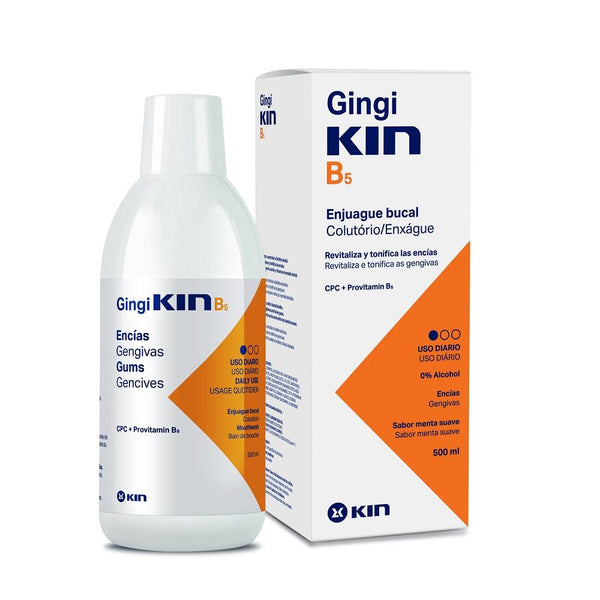 Kin B5 Mouthwash 500ml €8.99
 Protefix Denture Adhesive Powder 50g €7.99
 Sold out Dr Barmans Child Super Brush 0-6 Years €3.99
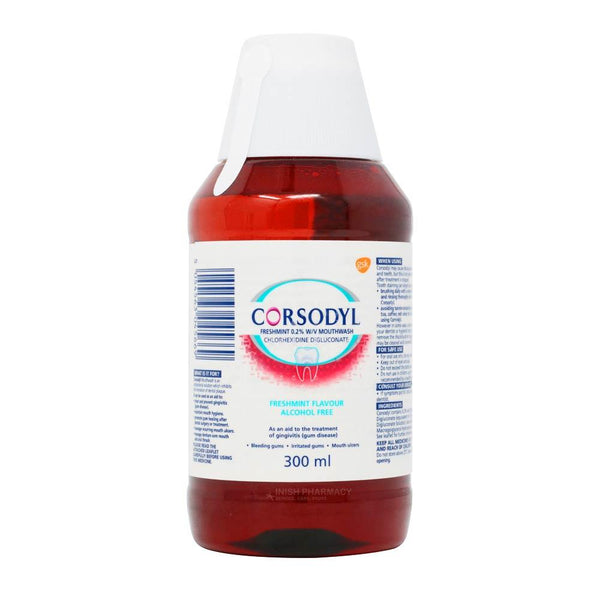 Corsodyl Alcohol Free Mouthwash Freshmint 300ml €6.99
 Kin Gingival Mouthwash €8.99 Add to cart
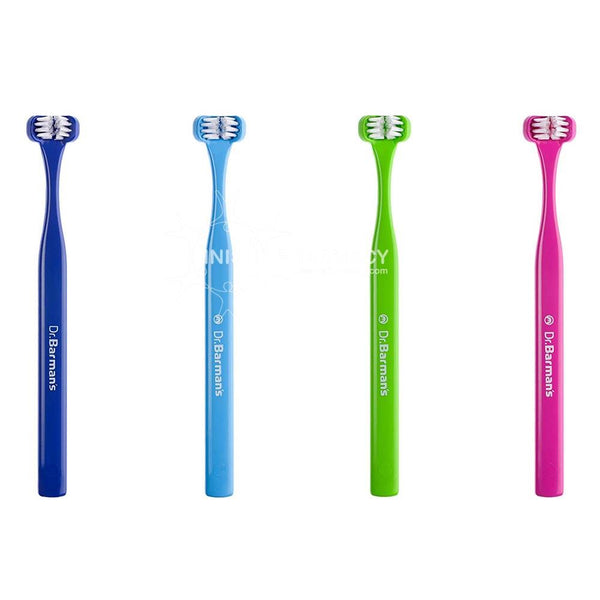 Dr Barmans Super Brush 6-11 Years €3.99
 Euthymol Original Toothpaste 75ml €3.99
 Oral B Superfloss 50 Pre-Cut Strands €4.50
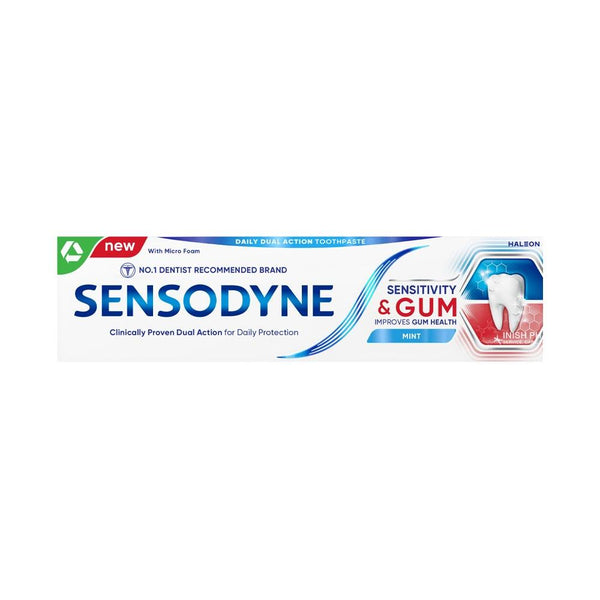 Sensodyne Sensitivity & Gum Toothpaste 75ml €6.50
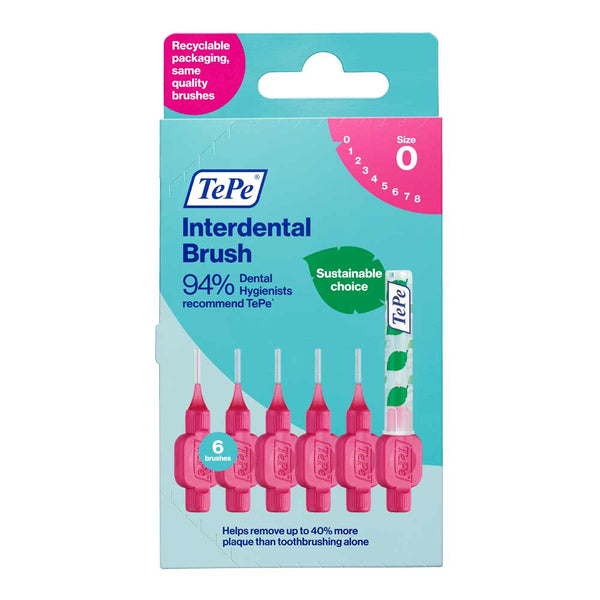 TePe Pink Interdental Brush 0.4mm 6 Pieces €4.99
 Retainer Brite Cleaning Tablets 96 Tablets €24.99
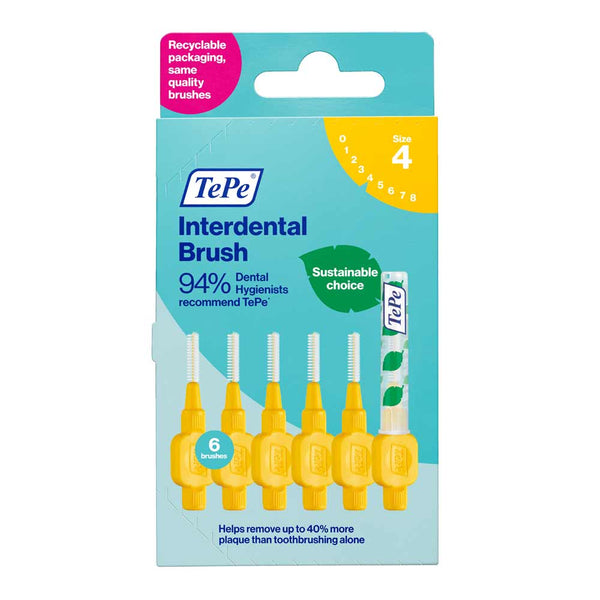 TePe Yellow Interdental Brush 0.7mm 6 Pieces €4.99
 Listerine Cool Mint Mouthwash 1 Litre €5.99
 Oraldene Mouthwash Original 200ml €5.70
 Sold out Colgate Extra Clean Medium Toothbrushes 3 Pack €2.50
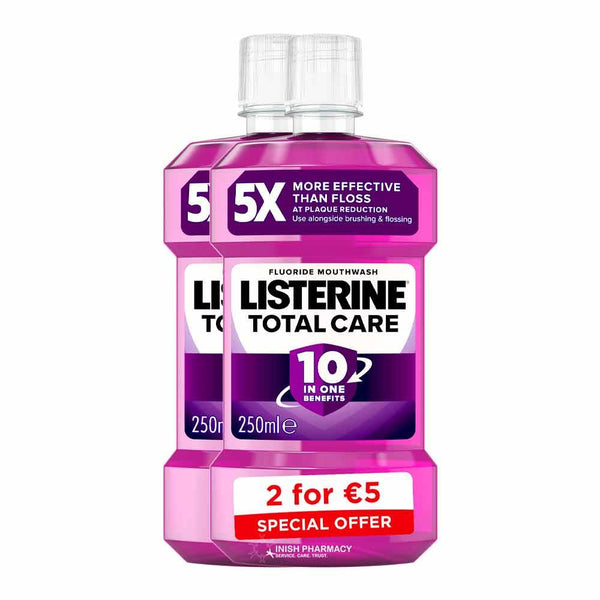 Listerine Total Care Clean Mint Mouthwash 250ml Twin Pack €5.00
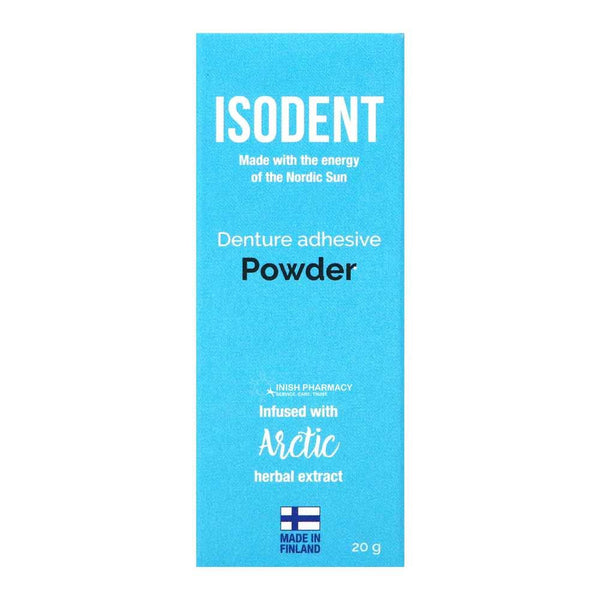 IsoDent Denture Adhesive Powder 20g €5.99
 Spotlight Oral Care Sonic Electric Toothbrush €69.99
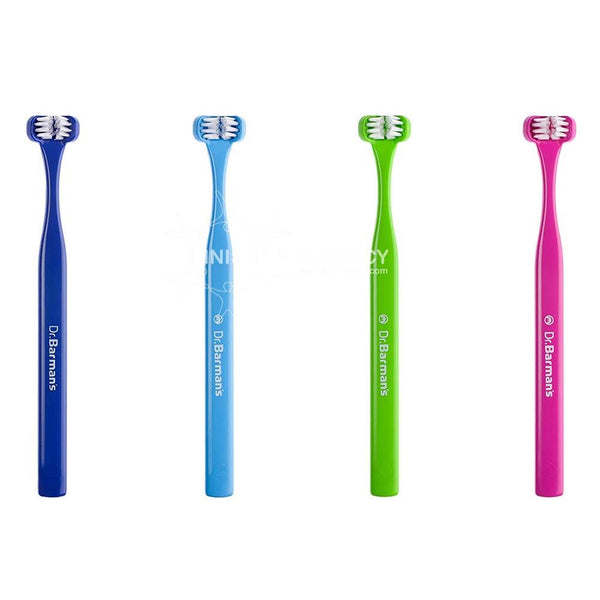 Dr Barmans Soft Super Brush €3.99


 Sold out