Oscillating-rotating or sonic?
Electric toothbrushes work in one of two main ways:
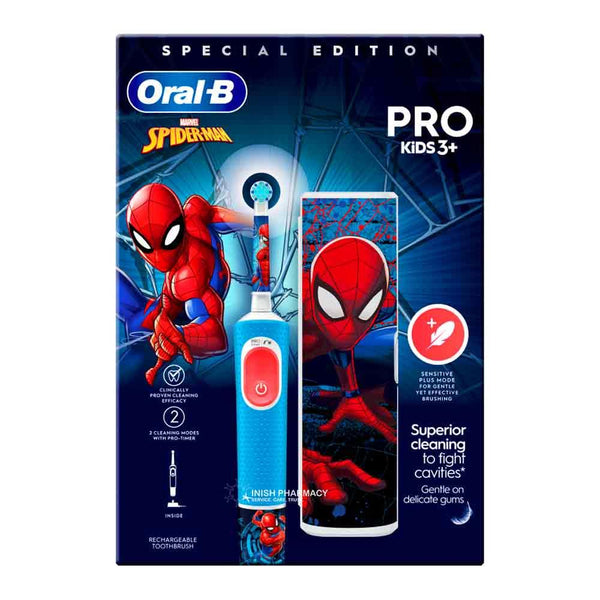
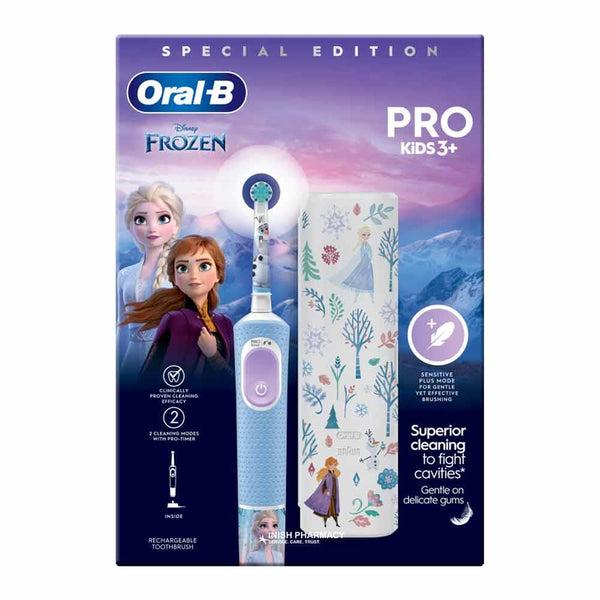
- Oral-B Pro, Vitality and Pro Series brushes use a small round head that rotates back and forth to clean each tooth in turn.
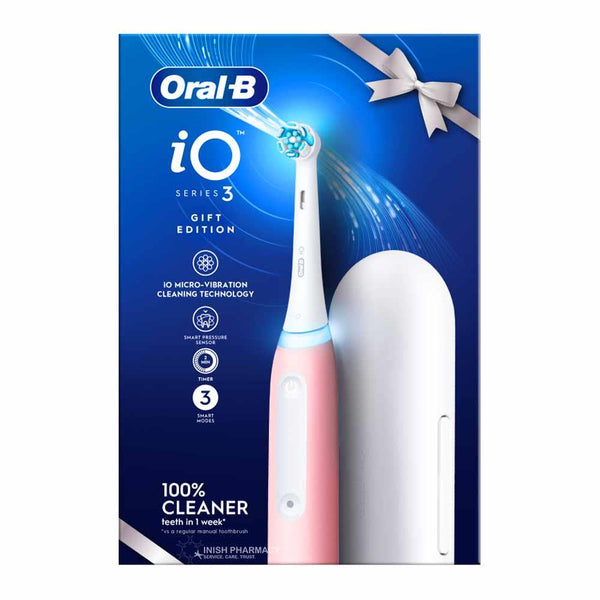
- Oral-B iO keeps the round head but adds gentle micro-vibrations.
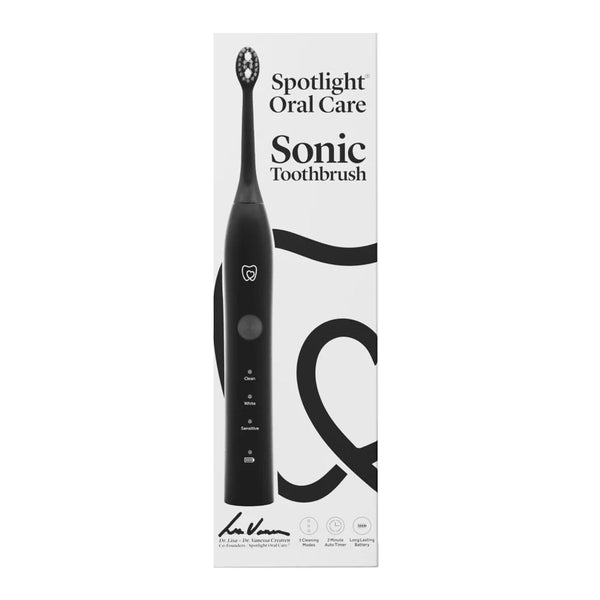
- Spotlight Sonic brushes use a standard toothbrush-shaped head that vibrates at high speed, up to 50,000 movements a minute on the Sonic Pro.
Both types clean well when used properly. The choice mostly comes down to which feel you prefer.
Features to look for
- Two-minute timer: most brushes have one. Many also pulse every 30 seconds to tell you to move to the next part of your mouth.
- Pressure sensor: warns you if you're pressing too hard, which helps protect your gums. You'll find one on the Oral-B iO3 and the Spotlight Sonic Pro.
- Cleaning modes: settings such as gentle, clean and whiten let you adjust the brush for sensitive teeth or a more polished feel.
- Battery and travel: rechargeable brushes last from days to weeks on a charge, depending on the model. Several of our brushes come with a travel case.
Replacement brush heads
Change your brush head about every three months, or sooner if the bristles splay. Make sure you buy the right fit:
- Oral-B iO heads fit iO handles only.
- Oral-B CrossAction, Precision Clean, 3D White and Sensitive Clean heads fit Oral-B Pro, Pro Series, Vitality and other non-iO handles. They don't fit iO.
- Spotlight Sonic replacement heads fit the original Spotlight Sonic toothbrush and the Sonic One.
- The Spotlight Sonic Pro takes its own Sonic Pro heads. Standard Sonic heads don't fit it.
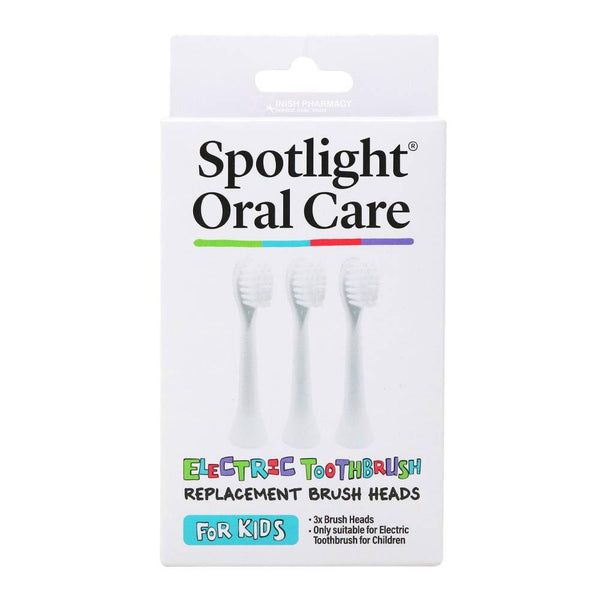
- Spotlight's kids' heads fit their kids' rechargeable brushes only.
Each person should have their own brush head. Don't share them.
Electric toothbrushes for children
Oral-B's kids' electric brushes and heads are designed for children aged 3 and over. They come with soft bristles and characters to make brushing more fun. The HSE advises helping your child brush until they are at least 7. From age 2, use a pea-sized amount of regular family fluoride toothpaste. Browse Kids Dental for toothpaste and manual brushes as well.
How to brush with an electric toothbrush
- Brush for two minutes, twice a day, including last thing at night.
- Use a pea-sized amount of fluoride toothpaste.
- Let the brush do the work. Guide it slowly from tooth to tooth instead of scrubbing.
- Angle the bristles towards the gumline, and clean the outer, inner and chewing surfaces.
- Spit out the toothpaste afterwards, but don't rinse, so the fluoride keeps working.
Frequently asked questions
Is an electric toothbrush better than a manual one?
Both can clean your teeth well if you brush properly for two minutes. An electric brush does more of the work for you, and the built-in timer helps you brush for long enough. That can help if you rush or find brushing awkward.
Will Oral-B iO heads fit my older Oral-B brush?
No. iO heads fit iO handles only. Older Oral-B handles, such as Pro, Pro Series and Vitality, use standard heads such as CrossAction or Precision Clean.
Which Spotlight brush heads fit my toothbrush?
Spotlight Sonic replacement heads fit the original Sonic toothbrush and the Sonic One. The Sonic Pro needs its own Sonic Pro heads, and three come in the box.
How often should I change my brush head?
About every three months, or sooner if the bristles are worn or splayed, or after an illness.
What age can my child use an electric toothbrush?
Oral-B's kids' electric brushes are designed for age 3 and up. Help your child brush until they are at least 7.
Are electric toothbrushes OK for sensitive teeth or gums?
Yes. Choose a brush with a gentle mode or a pressure sensor, or use a soft head such as Oral-B Sensitive Clean, and don't press hard. If your gums bleed for more than a few days, or the sensitivity doesn't settle, see your dentist. For gum and sensitivity products, see Mouth & Oral Care.
Do whitening modes whiten my teeth?
Whitening and polish modes help lift surface stains from things like tea, coffee and red wine. They don't bleach the natural colour of your teeth. For other options, see teeth whitening.
Do I still need to floss?
Yes. A toothbrush can't reach fully between your teeth. Clean between them every day with floss, interdental brushes or a water flosser such as the Waterpik Ultra Plus.